
Mold Testing in Ruppletown, PA

Know What's Growing Before It Costs You

Professional mold testing that identifies the problem, the type, and the source—so you can fix it right the first time.

Hear from Our Customers

Professional Mold Testing Services

Stop Guessing About What's Making You Sick

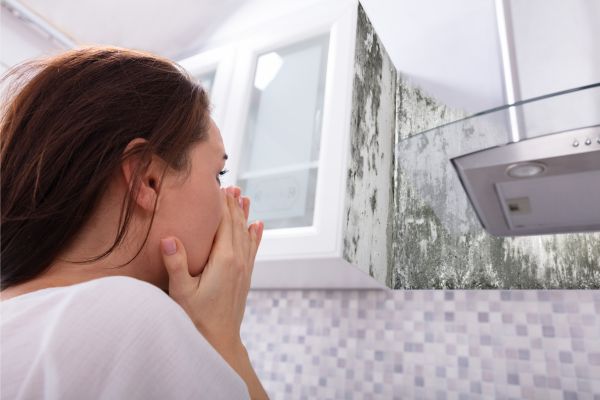
You’ve noticed the smell. Maybe you’re dealing with allergy symptoms that won’t quit, or you’re seeing discoloration on your walls. The worst part isn’t what you can see—it’s what you can’t.

Mold doesn’t always show up where you’re looking. It hides behind drywall, under flooring, inside HVAC systems. And those DIY test kits from the hardware store? They miss most of it. They can’t tell you what type of mold you’re dealing with, how bad the contamination is, or why it’s there in the first place.

Professional mold testing gives you lab-verified answers. You’ll know if you have a problem, what kind it is, where it’s coming from, and what needs to happen next. No more wondering if that cough is seasonal or something worse. No more worrying about what a buyer’s inspector might find when you’re ready to sell.

Testing isn’t about creating panic. It’s about giving you control over a situation that’s already happening—whether you can see it or not.

Mold Testing Company Ruppletown

We Test Homes, Not Your Patience

We serve Ruppletown and the surrounding Bucks County area with one focus: accurate testing that leads to real solutions. We’re not a franchise running cookie-cutter inspections. We’re local, certified, and we actually care about getting it right.

Ruppletown’s older homes and humid Pennsylvania climate create perfect conditions for mold growth. We’ve seen it in basements, crawl spaces, attics, and behind walls that looked fine on the surface. Our job is to find what’s there before it becomes a bigger problem.

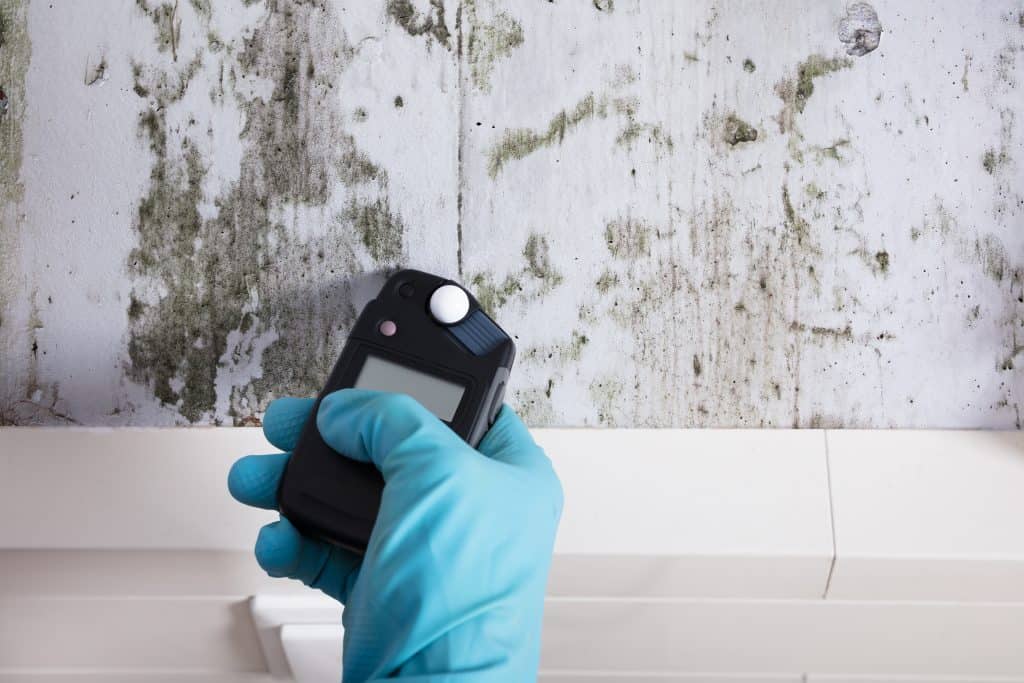
We use thermal imaging, moisture meters, and lab analysis to give you a complete picture. You’ll get a detailed report that’s easy to understand, not buried in jargon. And because we’re not trying to upsell you on remediation you don’t need, you can trust the results.

Residential Mold Testing Process

Here's What Happens When You Call

First, we schedule a time that works for you. When we arrive, we’ll walk through your property and talk about what you’ve noticed—smells, symptoms, visible growth, water damage history, whatever’s going on.

Then we start testing. We use thermal cameras to detect moisture you can’t see and identify temperature differences that indicate hidden problems. We collect samples using swabs, tape lifts, or air quality tests depending on what we find. Every sample gets sent to an EPA-certified lab for analysis.

You’re not waiting weeks for results. Once the lab sends back the report, we’ll walk you through it in plain language. You’ll know what type of mold is present, how much contamination exists, and where it’s concentrated. If remediation is needed, we’ll explain what that looks like and why. If it’s not needed, we’ll tell you that too.

The whole process is designed to give you clarity, not confusion. You’ll know exactly what you’re dealing with and what your options are.

Ready to get started?

Explore More Services

About Mack's Mold Removal

Black Mold Test and Inspection

What You Get With Our Testing

Our mold testing isn’t a visual inspection and a guess. You’re getting lab-verified identification of mold species, concentration levels, and a full assessment of moisture sources. We test air quality, surface samples, and hidden areas where mold typically grows unnoticed.

In Ruppletown and Bucks County, we see mold issues tied to basement moisture, roof leaks, poor ventilation, and older construction that wasn’t built with modern moisture barriers. Pennsylvania’s humid summers and wet winters make these problems worse. A home that seemed fine in July can have active mold growth by October.

Our testing accounts for these local conditions. We’re looking at your HVAC system, checking crawl spaces, inspecting attics, and identifying any area where moisture and organic material meet. The report you receive includes photos, lab results, moisture readings, and our assessment of what caused the problem.

This isn’t just about finding mold. It’s about understanding why it’s there so you can prevent it from coming back. Whether you’re buying a home, selling one, dealing with an insurance claim, or just trying to breathe easier in your own house—you’ll have the information you need to make the right call.

How do I know if I actually need professional mold testing?

If you’re smelling something musty that won’t go away, that’s reason enough. Mold has a distinct odor, and if you’re noticing it consistently in certain rooms or areas, there’s likely growth somewhere.

You should also test if you’re experiencing health symptoms that improve when you leave the house—things like sinus congestion, headaches, fatigue, or worsening allergies. Mold exposure affects people differently, but respiratory issues are common. If your symptoms are tied to being home, testing will confirm whether mold is the cause.

Visible signs matter too. Water stains, discoloration on walls or ceilings, peeling paint, or any history of water damage are all red flags. Even if you’ve cleaned up the water, mold can still be growing behind surfaces. And if you’re buying or selling a home in Ruppletown, testing protects you from surprises during the transaction. Mold is one of the most common deal-breakers in Bucks County real estate.

DIY kits test one small area and tell you if mold spores are present. The problem? Mold spores are present in almost every home. That’s not useful information. What you need to know is what type of mold, how much, and where it’s coming from.

Professional mold testing uses multiple methods—air sampling, surface sampling, moisture detection, and thermal imaging. We’re not just swabbing one spot. We’re assessing your entire property to find hidden growth and identify the moisture source feeding it. The samples go to an EPA-certified lab that identifies the specific mold species and concentration levels.

DIY kits can’t do that. They also can’t tell you if the mold is toxic, if it’s actively growing, or if it’s a result of a bigger moisture problem. You’ll spend money on a kit that gives you incomplete information, then still need professional testing to understand what’s actually happening. Professional testing from the start saves you time and gets you real answers.

The onsite inspection usually takes one to two hours depending on the size of your property and what we find. We’re thorough, but we’re not wasting your time. We’ll collect samples, document findings, take moisture readings, and use thermal imaging to map out problem areas.

Once we send samples to the lab, results typically come back within a few business days. Some labs offer rush processing if you’re under a time constraint—like a real estate closing or an insurance deadline. As soon as we receive the lab report, we’ll contact you to review the findings.

You’ll get a written report that includes lab results, photos, moisture readings, and our professional assessment. We’ll explain what the results mean in plain language and walk you through next steps if remediation is needed. You’re not left guessing what to do with a stack of technical data. We make sure you understand what you’re looking at and what your options are.

No. Most mold testing is completely non-invasive. Air sampling, surface swabs, and tape lifts don’t require cutting into anything. We collect samples from surfaces, air, and visible growth without causing damage.

In some cases, if we suspect hidden mold behind a wall or under flooring, we may recommend a small exploratory opening. But we’ll discuss that with you first and explain why it’s necessary. We’re not cutting holes in your walls without your approval and a clear reason.

Thermal imaging and moisture meters let us detect problems without any invasive work. These tools show us where moisture is accumulating and where temperature differences suggest hidden issues. Most of the time, that’s enough to pinpoint the problem and collect the samples we need. If further investigation is required, you’ll know exactly what we’re doing and why before we do it.

Yes. Mold testing doesn’t involve chemicals, demolition, or anything that would make your home unsafe. We’re collecting samples and taking measurements. You can stay in the house during the process, and there’s no reason to leave afterward.

That said, if testing confirms significant mold growth—especially toxic varieties like black mold—you may want to limit time in affected areas until remediation happens. We’ll give you specific guidance based on what we find and the concentration levels in the lab report.

If you have young children, elderly family members, or anyone with respiratory conditions, we’ll talk through the risks and recommend precautions. But the testing itself is safe. It’s designed to identify the problem so you can address it properly, not create new concerns. You’ll have all the information you need to make decisions about your home and your health.

You’ll get a clear explanation of what type of mold was found, where it’s concentrated, and how severe the contamination is. Not all mold requires full remediation. Sometimes the issue is minor and can be addressed with targeted cleaning and moisture control.

If remediation is necessary, we’ll walk you through what that process looks like based on the lab results and the scope of growth. You’ll know what needs to be removed, what needs to be cleaned, and how to prevent it from coming back. We follow IICRC S520 standards, which means the work is done right and thoroughly.

We’ll also identify the source of moisture that’s feeding the mold. Whether it’s a leak, condensation, poor ventilation, or drainage issues, fixing the moisture problem is just as important as removing the mold. Otherwise, it’ll just come back. You’ll leave the process with a mold-free home and a plan to keep it that way.

Other Services we provide in Ruppletown